

Related Posts
Fall is one of the best times of year to be in Gainesville. The weather cools down a little, weekends fill up with festivals and markets, and families, UF students, and visitors head out to haunted attractions, corn mazes, and pumpkin patches across Alachua County. Most of these outings end with nothing more than a few good scares and a lot of photos. But when someone is hurt because a property or event wasn’t kept reasonably safe, questions about premises liability in Gainesville come up quickly.
This guide explains the most common fall event hazards, how Florida premises liability law works in plain language, who may be responsible when someone is injured, and what to do if it happens to you or someone you love.
Why Fall Events Come With Unique Injury Risks
Seasonal attractions are designed to feel a little unpredictable. That’s part of the fun, but it also creates conditions that don’t exist at an ordinary store or restaurant. With Halloween falling on a Saturday this year, many local events can expect bigger crowds than usual.
Haunted Houses and Haunted Trails
Haunted attractions often combine several risk factors in one place:
- Low or no lighting that makes steps, ramps, and thresholds hard to see
- Fog and strobe effects that reduce visibility and can disorient guests
- Uneven or temporary flooring, especially in converted buildings or outdoor trails
- Tight hallways and sudden turns that cause bottlenecks
- Startle reactions that lead guests to run, trip, or collide with others
- Contact with actors or props that go beyond what guests expect
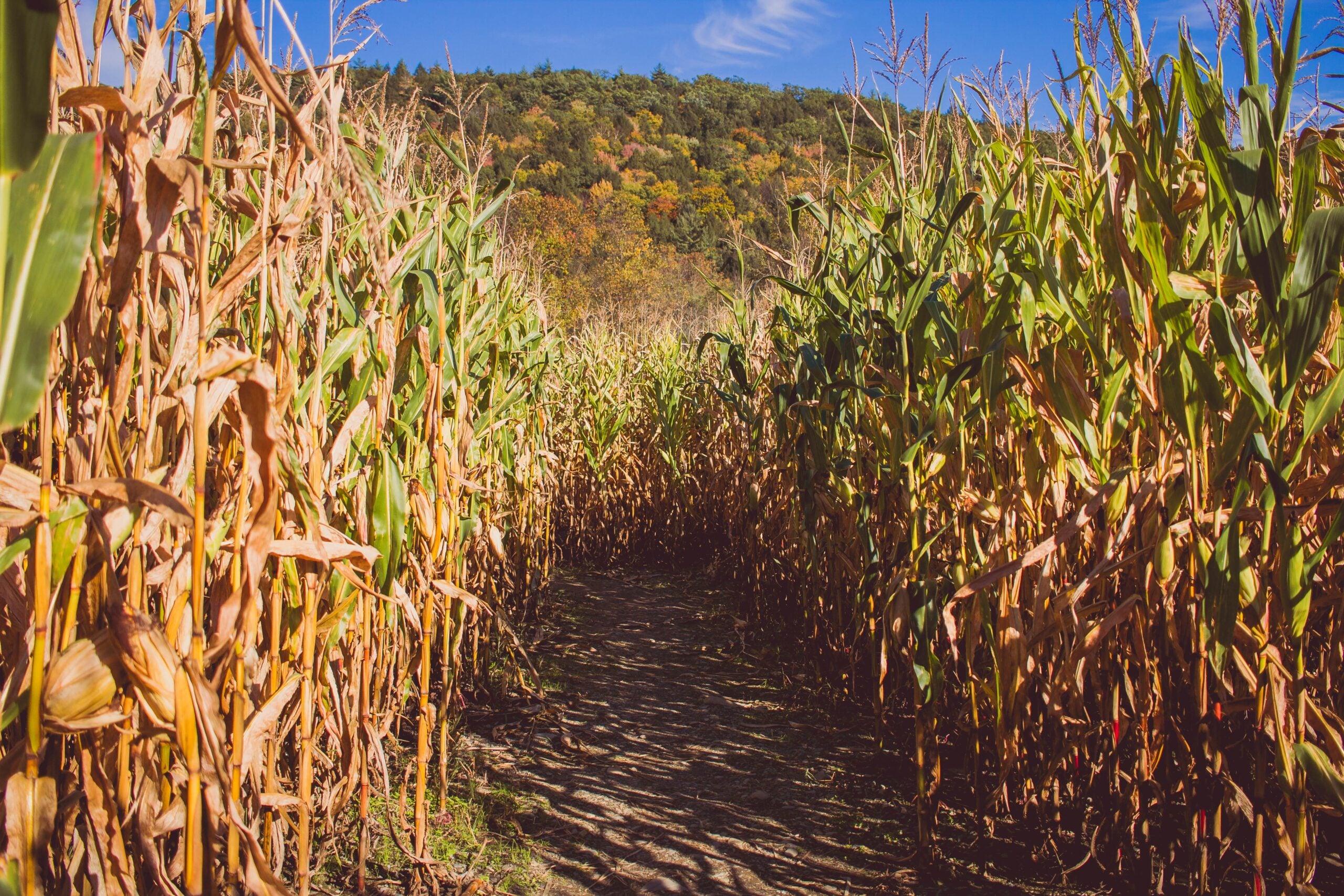
Corn Mazes, Hayrides, and Pumpkin Patches
Farm-based attractions bring their own set of hazards:
- Uneven ground, holes, and loose dirt paths
- Hay wagons and tractors with no seat belts and limited railings
- Loading and unloading areas where falls are common
- Farm animals at petting zoos and exhibits
- Walking paths that get darker as the sun sets earlier in the season
Festivals, Markets, and Outdoor Events
Downtown events, campus gatherings, and community festivals can present:
- Large crowds and crowd surges near stages or entrances
- Electrical cords and cables running across walkways
- Temporary tents, stages, and bleachers
- Food and beverage areas with spills
- Alcohol service that affects guest behavior
- Crowded parking areas and poorly lit walkways back to cars
What Is Premises Liability? A Plain-Language Guide
Premises liability is the area of law that deals with injuries caused by unsafe conditions on someone else’s property. In Florida, property owners and people who control a property (such as an event organizer who rents a venue) generally have a duty to keep the property reasonably safe for the people they invite there.
That duty isn’t unlimited. Owners are not expected to prevent every possible accident. The key questions are usually whether a dangerous condition existed, whether the owner knew or should have known about it, and whether they took reasonable steps to fix it or warn visitors.
How Your Visitor Status Matters
Florida law looks at why a person was on the property. That status affects what duty the owner owed.
| Visitor Type | Common Example | General Duty Owed |
| Invitee | A paying guest at a haunted house or festival | Keep the property reasonably safe and warn of hidden dangers the owner knows about or should reasonably discover |
| Licensee | Someone on the property with permission but for their own purposes | Avoid willful or wanton harm and warn of known dangers that aren’t obvious |
| Trespasser | Someone who enters without permission, such as sneaking into a closed attraction | Avoid intentional or willful and wanton harm, with some additional duties once the owner knows the person is there |
Florida courts have generally given invited social guests the same protection as invitees. That can matter for private Halloween parties and backyard fall gatherings.
Most people attending a ticketed attraction, festival, or market are invitees, which means the business or organizer generally owes them the highest level of care.
What “Reasonable Care” Looks Like for Event Operators
Depending on the type of event, reasonable care may include:
- Inspecting walkways, floors, and trails before and during operating hours
- Providing enough lighting in areas where guests are expected to walk, even in “dark” attractions
- Marking steps, ramps, and elevation changes
- Securing cords, cables, and temporary structures
- Training staff and actors on safe guest interaction
- Managing crowd flow and capacity
- Cleaning up spills and debris promptly
- Posting clear warnings about risks that aren’t obvious
Who May Be Responsible for a Fall Event Injury?
Fall events often involve several businesses working together, so more than one party may share responsibility. Depending on the circumstances, that could include:
- The property owner who owns the land or building
- The event organizer or operator who runs the attraction or festival
- Vendors and contractors who set up stages, tents, rides, lighting, or wiring
- Security companies hired to manage crowds or entrances
- Equipment or ride operators, such as the company running a hayride or inflatable attraction
- Other guests, if their careless conduct caused the injury
Who is responsible depends on who controlled the area where the injury happened, what caused it, and what each party knew or should have known.
Florida Laws That Can Affect a Fall Event Injury Claim
Several Florida laws can affect whether an injured person can recover compensation and how much.
Florida’s Agritourism Law
Florida has a specific law covering agritourism, which includes activities like corn mazes, U-pick farms, and hayrides on working farms. Under this law:
- An agritourism operator is generally not liable for injuries caused by the “inherent risks” of the activity, such as the natural conditions of farmland or the behavior of farm animals
- To get this protection, the operator must post a specific warning sign at the entrance and at the activity site
- The protection does not apply if the operator acted with gross negligence, showed willful or wanton disregard for guest safety, or intentionally caused the injury
In other words, the law protects farms from ordinary farm risks but does not excuse seriously unsafe conduct. Whether it applies to a specific attraction depends on the facts.
Waivers and “Enter at Your Own Risk” Signs
Many haunted attractions and adventure-style events ask guests to sign a waiver. A waiver can limit some claims, but it isn’t always the end of the story. Whether a waiver is enforceable may depend on:
- How clearly it was written
- What risks it actually described
- Whether the injury was caused by something outside those risks
- Whether the injured person was a minor
Warning signs work the same way. A sign may help show a guest was warned about a specific risk, but it doesn’t automatically excuse every unsafe condition.
Florida’s Modified Comparative Negligence Rule
Florida changed its fault rules in 2023. Under the current system:
- If an injured person is found partly at fault, their compensation is generally reduced by their percentage of fault
- If they are found more than 50% at fault, they generally cannot recover compensation
This is why property owners and insurance companies may argue that the injured person wasn’t paying attention, was running, or ignored a warning.
The Two-Year Deadline for Negligence Claims
For most negligence claims arising after March 24, 2023, including most premises liability claims, Florida law generally requires a lawsuit to be filed within two years of the injury. Some claims have different deadlines, so it’s important to get guidance early.
Fall Event Safety Checklist for Families and Students
A little preparation can go a long way toward keeping fall outings fun.
Before you go:
- Wear closed-toe shoes with good traction
- Check the event’s age recommendations and accessibility information
- Charge your phone and bring a small flashlight for outdoor trails
- Plan a sober ride home if alcohol will be served
At the event:
- Pick a meeting spot in case your group gets separated
- Keep young children close, especially in crowds and dark areas
- Walk, don’t run, in haunted houses and mazes
- Watch for cords, uneven ground, and steps
- Hold railings on wagons, bleachers, and stairs
- Wash hands after animal exhibits
For UF and Santa Fe College students:
- Travel in groups and share your location with a friend
- Stay aware of traffic when walking to and from events at night
- Look out for friends who have been drinking
What to Do If You’re Injured at a Haunted House or Fall Festival
If you or a family member is hurt, these steps can protect both your health and your ability to understand your options later:
- Get medical care
Your health comes first. Some injuries, such as concussions, may not show symptoms right away. - Report the injury to staff or management
Ask that an incident report be completed and request a copy if possible. - Take photos and video
Capture the hazard, the lighting, the area around it, and your injuries. - Collect names and contact information for witnesses, staff members, and anyone who helped you.
- Keep your ticket, receipt, wristband, or confirmation email
These show you were there as a guest. - Save any waiver or paperwork you signed.
- Avoid guessing about fault in conversations or on social media.
- Be careful with insurance calls
You don’t have to give a recorded statement right away. - Talk to a personal injury attorney about your rights before deadlines become an issue.
Safety Tips for Gainesville Event Hosts and Property Owners
Local businesses, farms, and organizations that host fall events can reduce risk and protect their guests by:
- Walking the entire route in the same conditions guests will experience, including at night
- Adding low-level lighting or glow markers on steps and turns
- Taping down or covering all cords and cables
- Setting capacity limits and using staff to manage lines
- Training actors on clear “no touch” boundaries
- Keeping a first aid kit on site and an incident reporting process in place
- Posting required and helpful warnings in visible locations
- Reviewing insurance coverage and vendor contracts before the season starts
Frequently Asked Questions
Can I sue a haunted house if I get hurt?
It depends on what caused the injury. Being scared is part of the experience, but injuries caused by unsafe conditions, such as hidden hazards, broken flooring, or poorly secured props, may lead to a premises liability claim.
Does signing a waiver mean I have no claim?
Not always. The waiver’s wording, the type of injury, and how it happened can all affect whether it applies.
What if my child was injured at a fall festival?
Children are often less able to spot hazards, and Florida law can treat claims involving minors differently. It’s worth speaking with an attorney about your family’s situation.
How long do I have to take action?
Most negligence claims in Florida must generally be filed within two years, but the right deadline depends on your specific case.
Enjoy Fall in Gainesville With Confidence
Fall attractions and festivals are a big part of what makes this season special in Gainesville and Alachua County. Knowing the common hazards, taking a few simple precautions, and understanding how premises liability in Gainesville works can help you and your family enjoy the season with more confidence. When an injury happens because a property or event wasn’t reasonably safe, you have the right to understand your options.
If you or someone you love was hurt at a haunted house, corn maze, hayride, or fall festival because of unsafe conditions, Schackow & Mercadante is here to help. Seasonal event injuries can raise hard questions about waivers, agritourism protections, and which property owner, organizer, or vendor may be responsible. Our Gainesville attorneys bring more than 126 years of combined legal experience, along with personal attention and clear guidance, to help you understand your rights and pursue the recovery you deserve.
Schackow & Mercadante, P.A.
352-371-3000
LawSchack.com